
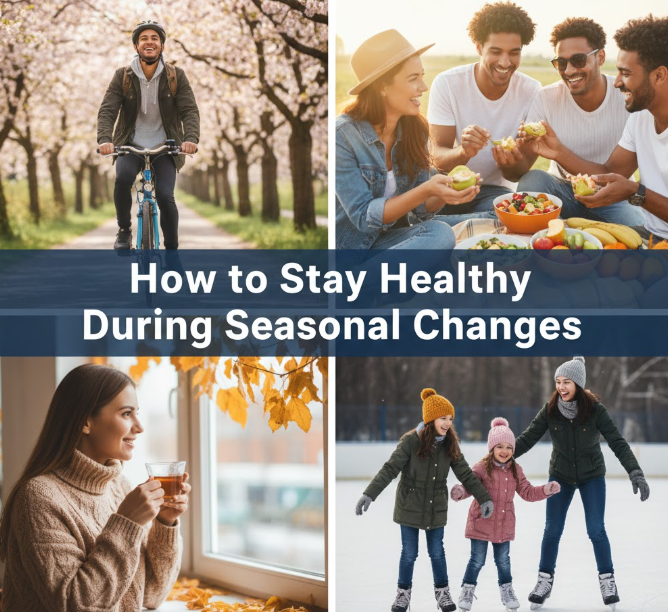
Your body feels when the weather changes and it is no longer hot or rainy and dry. You could become colder than normal, more exhausted than normal or find yourself in a different mood. These are not mere coincidences. Seasons do have real impacts on your health and understanding how to deal with it is sure to make you feel beautiful throughout the year.
This guide will provide you with the tips on how to be practical and remain healthy when the seasons change. And whether you are telling yourself to put on a jacket in the winter or deal with the allergies in the spring, you will discover common sense tricks that do work.
Why Seasonal Changes Hurt Your Health
Your body strives to keep your body in balance. As your temperatures either decrease or increase abruptly, your immune system must change. This acclimatization is an exposure to sickness.
A number of occurrences coincide during season changes. There is fluctuation of the amount of sunlight, which impacts your sleep patterns. Change in temperature causes your body to strain in order to maintain the appropriate temperature. There is a change of humidity that affects your skin and breathing.
A variety of germs also comes with different seasons. Viruses of cold and flu proliferate in winter. The spring is characterized by allergic pollen. The knowledge of these patterns will aid in better preparation.
Boost Your Immunity Naturally
Your body has its defense team which is your immune system. The best way to remain healthy due to changing of seasons is to keep it strong.
Eat Foods That Fight Illness
What you consume has a direct impact on the ability of your body to contribute to warding off sickness. Pay attention to the foods that are rich in vitamins and minerals.
The citrus fruits such as oranges, lemons, and grapefruits are rich in vitamin C, which contributes to the immune. Antioxidants present in berries keep your cells safe.
Spinach and kale are leafy greens that contain vitamins A, C and K. These nutrients assist in your body in producing immune cells that destroy germs.
Don’t forget about protein. Chicken, fish, beans and eggs are building blocks that your body needs to mend itself and generate antibodies.
| Food Type | Benefits | Examples |
|---|---|---|
| Citrus Fruits | High in vitamin C, increases white blood cells | Oranges, lemons, grapefruits |
| Leafy Greens | Vitamins A, C, K boost immune response | Spinach, kale, broccoli |
| Lean Proteins | Construct antibodies and heal tissue | Chicken, fish, beans, eggs |
| Nuts and Seeds | Vitamin E and healthy fats | Almonds, sunflower seeds |
| Probiotics | Gut health | Greek yogurt, kefir |
Stay Hydrated All Day Long
Water does not just satisfy your thirst. It can get the toxins out of your body and it makes your mucous membranes wet, and your main defense against germs.
Take at least eight glasses of water per day. Warm herbal teas during the winter months do give fluids to your system, and they may help you with your throat.
The color of your urine is the clue to whether you are drinking enough or not. You are well hydrated and your skin is pale yellow. Dark yellow indicates that you should take more fluids.
Adjust Your Sleep Schedule
When the body is at rest then it is repairing itself and developing defenses. Seasons can cause us to interfere with our usual sleep rhythms.
Use Natural Light to Indicate Your Sleep
The circadian rhythm is an internal clock of the body. It is sensitive to light and dark. As the time of the daylight fluctuates according to season, your sleep pattern should do the same.
You may just feel like going to sleep earlier in the day in winter when the days are shorter. Don’t fight it. Spending 30 minutes less going to bed will assist your body to get the rest it will require.
Black out curtains are useful in making you fall asleep even when the sun is still shining during the long days of summer.
Create a Bedtime Routine
A regular schedule gives your brain an indication that it is time to relax. These are the steps to try about an hour before going to bed:
- Dim the lights in your home
- Put away phones and tablets
- Take a warm shower or bath
- Read a book or listen to some calm music
- Keep your bedroom cool (65-68°F is best)
Avoid caffeine after 2 PM. Although you may not experience its effects, it may disrupt deep sleep.
Dress for Changes in Temperature
Clothes do make more than just a difference. Correct clothing will keep you out of the way of both hot and cold weather and also keep off disease.
Layer Your Clothing
The best thing to do with unpredictable weather would be to layer. Begin with a base layer that is moisture wicking and keeps the sweat off your skin.
Insert an insulating inside layer, such as a sweater or fleece. This surrounds warm air near to your body.
Complete with a waterproof and windproof covering. This keeps you dry during rainy, snowy and cold winds.
The best thing about layers is that you can also take out or put in pieces of the layers as the temperatures draw in or out during the day.
Protect Your Extremities
Your hands, feet and head lose heat quickly. In cold weather, always wear:
- A hat, a warm one, that covers your ears
- Insulated gloves or mittens
- Wool socks and waterproof boots
During hot weather, one must dress in light-colored and loose clothes that allow air to pass through. A big hat will shield your face against the heat of the sun.
Exercise Smart by the Season
Exercise makes your body immune system healthy, yet what kind of exercise you do is better depending on seasons.
Adapt Your Workout Routine
Exercising in winter does not necessarily imply going outside and freezing. Indoor activities such as yoga, dancing or home based exercises keep you moving without having to go outside to the cold.
If exercising outside in winter, warm yourself up indoors first. Cold muscles are susceptible to injury.
Fall and spring are the seasons when the weather is ideal to do something outside. An excellent choice would be walking, jogging and cycling.
The summer is a season that needs additional care. Work out in the morning or evening when the weather is not so hot. Do not forget hydration in summer exercises.
Know When to Rest
Stressing yourself makes the immune system too weak. When you have a cold do not do hard exercises. Stretching in the light or taking a brisk walk is okay but leave the heavy lifting to when you are at full health.
Manage Seasonal Allergies
Autumn and spring are pretty in their nature, but they also cause allergies to millions of individuals.
Recognize Allergy Symptoms
Allergies during seasons may resemble a cold, however, with some exceptions:
- It is itchy of the throat and eyes due to allergies
- Cold symptoms consist of body aches and fever
- The duration of the allergies is till the time you are exposed to the allergen
- Cold usually gets better in a week or two
In understanding the distinction, you know how to treat the problem appropriately.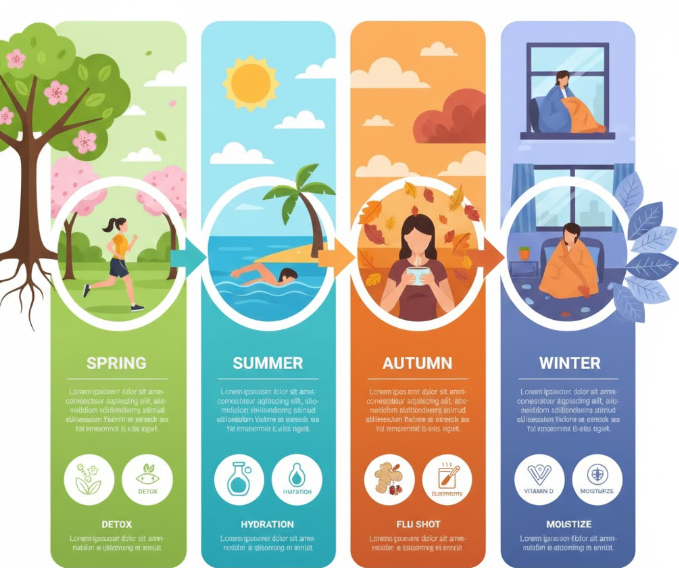
Reduce Allergen Exposure
Close windows on high pollen days. Monitor the local pollen level in the morning and make arrangements.
Take a shower right before sleep to remove the pollen on your hair and skin. It will not get on your pillow and keep bothering you throughout the night.
Replace your air filters often. Pollen, dust and other allergens are particularly well trapped by HEPA filters.
The nasal rinse with saline daily can be considered in case of allergy. This removes allergens in the nose and reduces inflammation.
Support Your Mental Health
Changes with the season do not only impact on your physical well-being. Your mood and your energy level may change as well.
Fight the Winter Blues
A lack of sunlight and short days may cause Seasonal Affective Disorder (SAD). This form of depression takes place during certain seasons typically winter.
During the day, venture outside, even in the daytime, and even spend 15 minutes outside. Natural lighting enhances your mood and also aids in keeping your sleep pattern.
Consider using a light therapy lamp. These are special lamps that imitate natural sunlight and they are able to alleviate the symptoms of SAD when exposed to 20-30 minutes every morning.
Stay socially connected. It’s tempting to hibernate in winter but loneliness aggravates mood disorders. Arrange frequent chats or meetings with friends and family via video calls or in-person meetings.
Manage Stress Levels
The change of seasons may be stressful. Stress accumulates fast between planning holidays, weather difficulties, and changes of schedules.
Engage in breathing exercises. Five minutes of slow and deep breathing will relax your nervous system.
Try journaling. You can write down your thoughts and feelings and this way, you can process the issue of emotions and recognize triggers of stress.
It is nothing to be afraid of seeking assistance. Conversation with a friend, family or counselor brings support and insight.
Maintain High Hygiene Standards
Even basic hygiene measures are even more crucial during the changes in the seasons when germs are more spread.
Wash Your Hands Properly
The majority of people do not wash their hands adequately. No less than 20 seconds of soap and water scrubbing is required.
Focus on these key times:
- Before eating and food preparation
- After using the bathroom
- After coughing, sneezing or blowing your nose
- After having touched objects such as door handles in public places
- When you get home after being out
In case of the lack of soap and water, it is possible to use hand sanitizer containing alcohol content of 60 percent or more.
Keep Your Living Space Clean
Germs are fond of hanging around populated surfaces. Clean the knobs on the doors, light switches, phone screens, and remote controls every day with disinfectant wipes.
Wash bedding in hot water once a week. This destroys dust mites and eliminates allergens.
During winter, when the air is dry in the house, use a humidifier. The correct humidity (30-50%) helps to avoid the dryness on your skin and stop the over-dryness of your nasal passages.
Monitor Weather Forecasts
Preparation will enable you to prevent issues of weather-related health problems.
Check Daily Conditions
Weather applications do not display temperature only. They also report:
- UV index (when you need to protect yourself from the sun)
- Air quality index (alerts in case of high pollution/allergens)
- Wind chill (displays the true outdoor temperature)
- Heat index (shows the effect of the humidity combined with the heat)
Plan your day based on this information. Alter outdoor activities in a dangerous situation.
Prepare Emergency Supplies
Have a seasonal emergency kit at hand. For winter, include:
- Additional blankets and warm clothing
- Food and water that are non-perishable
- Flashlights and batteries
- First aid supplies
- Necessary medications
In summer, you can add sunscreen, more water, and cooling towels to your pack.
Visit Your Doctor Regularly
It is always better to prevent rather than to cure. Frequent examinations are a way of early detection.
Get Seasonal Vaccinations
The flu vaccine is made annually in the fall. Vaccination before the seasons of flu begin allows your body to develop immunity.
The yearly vaccine is different in order to suit the strains that are likely to be in circulation. Even in case you received your vaccination last year, you still require an annual vaccination.
Depending on your age, health status, and travels, other vaccines may be recommended. Ask your physician what is right for you.
Schedule a Seasonal Checkup
Visit your physician at the beginning of every season in case you have such chronic illnesses as asthma, diabetes, or heart disease. These conditions may be influenced differently by season changes.
Have you noticed any new symptoms? A small issue to you could be the beginning of something that should be taken care of.
Inquire about vitamin supplements. During winter when the amount of sunlight reduces, vitamin D supplement is usually beneficial. For more health insights, visit Cakvia.
Common Seasonal Health Problems
| Season | Common Issues | Prevention Tips |
|---|---|---|
| Winter | Cold, flu, dry skin, SAD | Get vaccinated, use moisturizer, get sun exposure |
| Spring | Allergies, asthma attacks | Keep windows closed, use air filters, take allergy medication |
| Summer | Dehydration, heat exhaustion, sunburn | Drink water at all times, use sunscreen, stay in the shade |
| Fall | Allergies, germs back to school/work | Wash hands often, adjust sleep schedule |
Frequently Asked Questions
Why do I get sick every time the seasons change?
It takes time before your immune system adapts to new temperatures and conditions. Change in temperatures puts a strain on the body, and you become susceptible to viral diseases that are more easily transmitted during a change of the season.
How much vitamin D should I take during the winter season?
The majority of adults have a good intake of 1,000-2,000 IU of vitamin D a day in winter. Nevertheless, your doctor can check your vitamin D levels and prescribe you with the appropriate dosage.
Can changes in weather lead to joint pain?
Yes, joint pain can also be influenced by a change in barometric pressure, particularly in individuals who have arthritis. What appears to cause the greatest problems is the decline in pressure, which precedes storms.
Is it true that cold weather is the cause of sickness?
Cold weather in itself does not lead to any illnesses, but it creates conditions in which viruses are more easily transmitted. Individuals spend more time indoors being in close proximity and cold air tends to dry your nasal passages making them less effective in combating germs.
How to determine whether I have allergies or a cold?
Allergies are normally accompanied by itching and usually do not involve fever and body pains. Cold normally begins with sore throat and later moves on to congestion. Allergies can be long-lasting provided that you are in contact with the trigger, whereas colds clear themselves after about a week.
Should I work out outdoors in hot weather?
Outdoor exercise should be avoided when it has a heat index greater than 90°F. In case you need to exercise in hot weather, do it in the early morning or evening, wear light clothes and drink water before, during, and after the exercise.
Does orange juice prevent colds?
Orange juice contains vitamin C which helps the immune system but it does not prevent colds. It could help reduce the symptoms a bit in terms of duration, when taken regularly, but it is not a prevention or treatment measure.
How often do I need to wash my winter coat?
Winter coat should be washed 2-3 times a season or when it appears dirty. This eliminates germs, allergens and odor that builds up with time.
Your Year-Round Health Plan
There is no single large thing to do in order to help you stay healthy during a change of seasons. It is the little habitual things that over time become routine.
Begin with the fundamentals: eating healthy food, sleeping well, exercising, and maintaining good hygiene. These pillars hold your health stable no matter what external changes occur.
Pay attention to the way your body reacts to various seasons. When it is cold you may need more sleep or when it is hot – more water. People are all different, so find out what suits you.
Prepare ahead of time. Don’t wait until the first cold day to put your winter clothes on or until everyone starts to sneeze to stock up on tissues. When one is prepared, then transitions are easier.
Above all, pay attention to your body. Rest when you’re tired. Seek shade when you’re hot. Add layers when you’re cold. It is your body that sends you signals on what it requires.
The seasons are still going to change but now you have the means of dealing with every change. Stay vigilant, change your habits when necessary and embrace the beauty of every season. It is worth it in the long run when it comes to your health, and these few tips will ensure that you feel your best all year round.
For more information about seasonal health and wellness strategies, visit the Centers for Disease Control and Prevention.