

Exercise is not merely about muscles or losing fat. One of the most effective weapons that you own to feel better, think more clearly, and live longer is exercise. Physical activity alters your body and your mind in incredible ways whether you are running, dancing or even merely walking up to your block.
This paper discusses the actual advantages of exercising to your mental and physical wellbeing. You will learn why exercise makes you happier, how exercising influences your brain and what goes on in your body when you exercise. Now, we are going to get into the scientifically proven reasons as to why exercise must be included in your daily life.
The Brain-Body Connection: Movement Matters
There are ways in which your body and brain are interconnected that you would not have known. Whenever you work out, you are not only working your muscles. You are also sending your brain strong signals that lead to a positive chain reaction.
Exercise makes your brain get more blood. This implies that there is increased oxygen and nutrients to the cells, which occur to think, learn, and remember. It has been discovered that individuals that exercise regularly literally possess bigger brains in the regions where memory and thinking are involved.
Growth factors are also special proteins released as a result of exercise. The proteins contribute to the formation of new brain cells and reinforce ties among the already formed cells. It can be compared to updating the wiring system of the brain.
Mental Health Benefits: Life Change
Crushing Stress and Anxiety
Stress is a common thing and everybody has something to handle; it could be the pressure at school, at work or in personal matters. Exercise is the natural stress reliever in which your body generates.
Exercise makes your body produce lower levels of stress hormones such as cortisol and adrenaline. Meanwhile, it also elevates endorphins, which are chemicals to make you feel good. This mix will make you feel calm and will take a couple of hours before you can even stop running.
Anxiety disorders are relieved by many other people who engage in physical activities regularly. Workout provides you with an object of attention other than your concern. It also trains your body on how to cope with stress better.
Fighting Depression Without Medication
Millions of people are depressed in the world. Although exercise is not a substitute to the professional treatment, it is an effective complement to therapy and medication.
The studies indicate that exercise is just as effective as antidepressant drugs in the treatment of mild to moderate depression in some patients. Exercise leads to the synthesis of serotonin and dopamine, two brain substances that are involved in the regulation of mood and happiness.
Work-out makes you feel like you have achieved something too. Small accomplishments make one confident and boost self-esteem. A 20-minute walk will make you feel better hours.
Sharper Mind and Improved Concentration
Lacking focus on homework or retaining significant details? Exercise could be what you are in need of.
Exercise is entailed in enhancing cognition in a number of ways. It enlarges the hippocampus, the brain part that forms memory and learning. The other benefit of exercise is that you are now able to concentrate on all the details and process information rapidly.
Students who work out usually have higher grades as compared to those who do not. The elderly population will be less likely to develop dementia and Alzheimer disease because of the active lifestyles that the adults practice.
Physical Health Benefits Working to Your Own Advantage
Healthier Heart and Stronger Circulation
Your heart is a muscle and just like any other muscle, it becomes stronger when it is exercised. Cardiovascular exercises such as running, swimming or cycling give your heart a better workout.
Exercise helps in decreasing blood pressure and decreasing bad cholesterol and increasing the good cholesterol. This makes your arteries healthy, as well as makes you less likely to get heart disease, which is the number one killer in the world.
Even moderate exercise such as taking 30 minutes of brisk walking a day can reduce your risk of heart disease by up to 35%. It is a big plus considering the minimal time spent. For more health and wellness insights, visit cakvia.com.
Weight Management Made Easy
Workouts are a calorie burner and also build muscle, thus keeping you at a healthy weight. The perks are not limited to the calories that are burned in the process of exercising.
Strength training helps to build muscle, which raises your metabolism. This fact implies that your body consumes more calories even when you are resting. One pound of muscle takes more calories to burn than one pound of fat and therefore the more your muscle mass, the more your weight management is improved on an extended basis.
Hormones which control hunger and fullness also are controlled through exercise. Regular exercisers tend to make healthier eating habits and stay out of food overload.
Strengthening Bones and Muscles
Your bones require exercise to be firm. The weight-bearing exercises such as walking, running, and strength training will promote bone growth and inhibit the loss of bone.
This is more so the older you get. Osteoporosis is a disease whereby bones become weak and fragile and is experienced by millions of adults who are aged. Frequent workouts when you are young create good bones that will keep you going throughout your life.
Exercising to build body mass and gain functional strength; strength training. This simplifies the daily tasks, both in transportation of groceries and sports with children or grandchildren.
Different Types of Exercise and Their Benefits
Cardio Workout: The Mood and Heart Booster
Cardio or aerobic exercise involves an activity that pumps your heart and leaves your lungs busy. Some examples are running, swimming, cycling, dancing and brisk walking.
This form of fitness is marvelous to cardiac fitness and psychological health. It works especially well in decreasing the symptom levels of depression and anxiety. A simple change of three 30 minutes of moderate aerobic exercises three times a week can help a lot.
Endurance and stamina are also increased with aerobic exercise. You will find that you get to do things that you did not before, with ease because of the level of fitness.
Strength Training: Gaining Power and Confidence
Resistance training will help develop strength and confidence in any athlete, regardless of whether they are on the field or not.
Weight lifting or the use of resistance bands develops muscle and power. Strength training does not only build visible muscles.
It improves bone density, increases metabolism, and improves balance and coordination. Mental health benefits of strength training are that it develops confidence and decreases anxiety and depression symptoms.
Strength training can begin without having to buy costly gym equipment. Exercises such as push-ups, squats and planks are bodyweight exercises and are free.
Flexibility and Balance: The Foundation of Movement
Flexibility and balance are enhanced by stretching and yoga and tai chi. These activities make you less likely to fall and injure yourself and they enhance your movement.
Yoga is a practice that integrates body exercises and mental acuity and breathing exercises. This contributes to its effectiveness especially in stress reduction and enhancement of mental clarity. Yoga makes many people feel more in touch with their bodies and more at present.
Exercises on balance are essential as you get older. They assist in keeping people independent and avoiding falls which may cause severe injuries.
The Science of Exercise and Happiness
| Brain Chemical | What it does | How exercise helps |
|---|---|---|
| Endorphins | Natural pain relievers that produce a feeling of pleasure | Released during and after exercise |
| Serotonin | Mood, sleep and appetite regulator | Serotonin levels rise with consistent exercise |
| Dopamine | Regulates the reward and the drive | Production is enhanced when there is exercise |
| Norepinephrine | Enhances concentration and attention | Released in response to exercise |
This table presents the major brain chemicals influenced by exercise and their functions in mental health. All of them have an important role in the way you feel and operate on a daily basis.
How Much Exercise Do You Really Need?
It is great that you do not have to train to be a marathon runner to make some gains. Even exercise in small portions has an effect.
Health professionals suggest the minimum recommended moderate aerobic activity of 150 minutes or vigorous activity of 75 minutes per week. This equates to 30 minutes of moderate exercising five days per week.
Strength training would be taken at least twice a week, in which all major muscle groups would be involved. This does not entail spending hours in the gym. A 20-30 minute session is enough.
But this is the best thing about it: any movement is preferable to none. Considering that you are not active right now, it is recommended to begin with 10 minutes per day. Gradually you may add the length of time and intensity as you grow stronger.
Breaking Down Barriers: Overcoming Common Exercise Obstacles
“I Don’t Have Time”
The most common excuse to avoid exercising is time but seldom is it to do with time being available. It’s about priorities.
Exercise does not have to take hour-long sessions in gyms to be of benefit. Minor exercise sessions that occur during the day accumulate. Use the staircase and not the elevator. Exercise in between commercials. Walk during phone calls.
Exercise actually puts more time in the day of many people by boosting their energy and also making them sleep better. It means that you are going to get more in less time when you are mentally alert and physically charged.
“I Can’t Afford a Gym”
Workouts do not need nice machines or subscriptions. Walking and running are free. Exercises based on bodyweight anywhere can be carried out. There are thousands of free workout videos on YouTube.
Outdoor fitness equipment is found in parks. Fitness classes in the community centers are often cheap. The number of free ways to exercise is unlimited.
“I’m Too Tired”
This appears to make sense, when in reality, exercise elevates the levels of energy. Exercise enhances the quality of sleep and decreases exhaustion in the long term.
The initial weeks may be tough but persevere. Exercise will not leave you with less energy during the day as once it becomes a habit, you will realize that you have more energy.
Designing a Workout Plan to Stick
Starting is easy. The difficulty is persisting. These are the effective tips to make exercise a long time habit.
Start small and be specific. Rather than making a commitment such as “I will exercise more,” make a commitment of “I will walk 15 minutes every Monday, Wednesday, and Friday at 7 AM.” It is more likely to have certain plans.
Find activities you enjoy. Work out is not supposed to be a punishment. Keep on trying and doing other activities before you get the ones that you can look forward to. If you hate running, don’t run. Instead, dance, swim, play basketball or hike.
Schedule it as an appointment. Make work out a part of your schedule and do not compromise. You would not miss a significant appointment and thus, you should not miss your work out.
Track your progress. Record your exercises with an exercise and training app. Note your progress and you will feel like continuing. Celebrate any small victory on the way.
Find a workout buddy. Working out with others will hold you more accountable and will make you more committed to attendance. It also renders exercises more entertaining.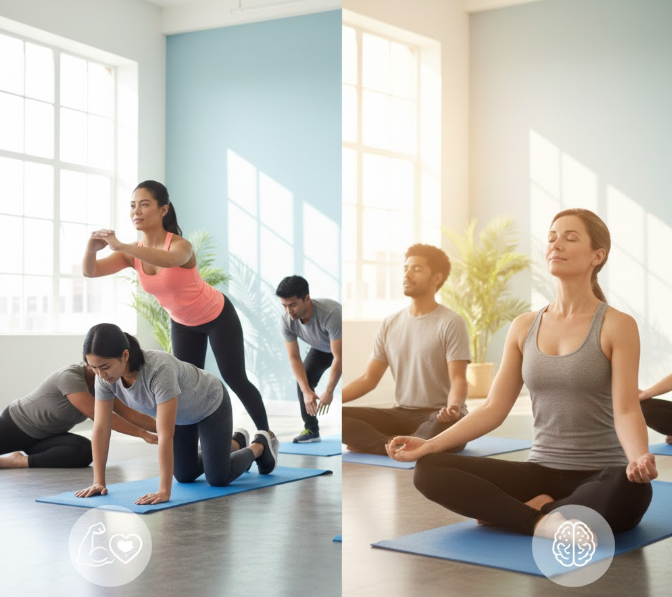
The Benefits of Exercise in Various Stages of Life
Children and Teenagers
Sporting activities make kids have good bones and muscles. It enhances motor and coordinating skills. Exercise will also ensure that children are kept in good shape and establish a healthy lifestyle that they will apply throughout their lives.
In the case of mental health, active children have high self-esteem, reduced anxiety and depression. Exercise will enhance academic performance because it will boost concentration and memory.
Regular exercising will help teenagers to sleep better, be more energetic and deal with stress better. Sports and physical activities also offer social relationships and lessons related to life such as working in a team and enduring.
Adults
In adults, the body avoids chronic illnesses such as heart disease, diabetes and certain forms of cancer through exercise. It assists in keeping the bone density and muscle mass during old age.
Adults facing employment usually have a problem of work-life balance and stress. Working out is a healthy way of letting out stress and enhances productivity and concentration in the workplace.
Physical exercises also enhance relationships. You are more there and available when you are physically and mentally good, to the individuals around you.
Older Adults
Physical activity is essential to growing old gracefully. It maintains independence through strength, balance, and mobility. The falls and fractures are reduced in active seniors.
Exercise is safeguarding to the brain and minimizes the danger of cognitive loss. When the elderly engage in exercise, they have sharper minds and they can remember better.
Social opportunities are also availed to older adults through exercise. Social activities such as group fitness classes, walking clubs and recreational sports help in fighting loneliness and isolation.
Real-World Success Stories
Think about Sarah who was a 35-year-old teacher with a problem of nervousness and panic attacks. She began exercising by walking 20 minutes in the morning before going to school. In several weeks, she felt much more relaxed. Three months later, she hardly had panic attacks and was more assured in dealing with stressful events.
Or consider an example of a 50 year old office worker, Mike, who was advised by a doctor about high blood pressure and high cholesterol. He started commuting to work by bicycle three days a week and exercising with strength training on two occasions per week. His blood pressure and cholesterol levels got back to normal levels 6 months later, without medications.
These aren’t unusual cases. There are a myriad of individuals who have changed their wellbeing by exercising. It is all about getting going and being steady.
Common Mistakes to Avoid
Doing too much too soon. The spirit is very high, but getting into heavy exercise without being in shape will cause injury and burnout. Begin slowly and develop gradually.
Ignoring rest days. Time to rest is required by your body to repair and build muscles. The days where the actual improvements are made are the rest days.
Comparing with other people. Each of us has a varying level of fitness. Concentrate on what one can achieve rather than what others are able to achieve.
Omission of warm-ups and cool-downs. These avoid injuries and enhance performance. Spend five minutes on warm up and cool down before exercise and after.
Giving up after setbacks. You do not have to miss a workout or two, and it will not mean that you have failed. Get back on track with as little guilt and self-criticism as possible.
The Long-Term Investment in Your Health
Consider exercising an investment in yourself. Each exercise is a deposit to your health bank account. The returns are multiplied with time.
Those who engage in regular exercises in their lives have a better quality of life in old age. They are independent more, experience fewer medical issues and have lower medical expenses.
The psychological health advantages also add up. Developing the routine of stress and mood control through exercise is an indispensable weapon that can be used the rest of your life. According to the Centers for Disease Control and Prevention, regular physical activity is one of the most important things you can do for your health.
Wrapping It All Up
There are dozens of scientifically proven ways in which exercise is helpful in the enhancement of mental and physical health. It helps reduce stress, combat depression, sharpens your mind, strengthens your heart, it helps you build your muscle and your bones and it also helps you to maintain a healthy weight.
It does not require an athlete to have an advantage. Minimal doses of exercise bring substantial changes to the manner in which you feel and operate. Beginning is the most difficult part of all as you get used to it and you start to enjoy exercise instead of fearing it.
To move, it is the design of your body and mind. In the modern world, it is easy to lead a sedentary life, however, resisting this trend is one of the best choices that you could ever provide to your health and happiness. You can always begin today, begin small and see how exercise will change your life both inside and out.
Frequently Asked Questions
How soon can I expect results from exercise?
The positive results will be felt almost instantly, such as improvement of mood and increased energy following the first workout. Physical alterations such as losing weight or gaining muscles are more gradual and usually require 4-6 weeks of regular exercise. The positive effects on mental health are usually observed in 2-3 weeks of consistent activity.
What is the most appropriate time of day to work out?
The most appropriate time is the one that you are going to do it on a regular basis. Some individuals opt to do workouts in the morning as they want to be energized in the morning. Some of them include evening activities as a way of relieving stress. Be mindful of your body and select a time which suits you and your schedule.
Is it possible to exercise with a chronic health condition?
The vast majority of chronically ill individuals can exercise and need to, though consult your physician first. They will be able to prescribe the level of activities and intensity. When properly exercised, exercise usually helps manage such chronic conditions as diabetes, arthritis, and heart disease.
What can I do to get motivated to work out even when I do not feel like it?
It is important to keep in mind that you hardly ever regret exercising and you do regret not exercising. Begin with 5-10 minutes and most of the time you will feel like extending your time after you start. Concentrate on how beneficial you feel after exercise, not the difficulty of beginning.
Should you work out every day or take rest days?
Both exercise and rest are necessary. The goal is at least 5 days of activity a week, with 1-2 rest days. During rest days, you may engage in light exercises such as walking or stretching. Learn to listen to your body and rest when you are extremely sore or tired.
What if I am too out of shape to begin exercising?
Everyone can start from where they are and you are right where you should be. Begin with extremely easy exercises such as short walks or sitting exercises. It is important to start at the level of fitness you have and over time, intensity and duration should be worked up. Any movement is progress.