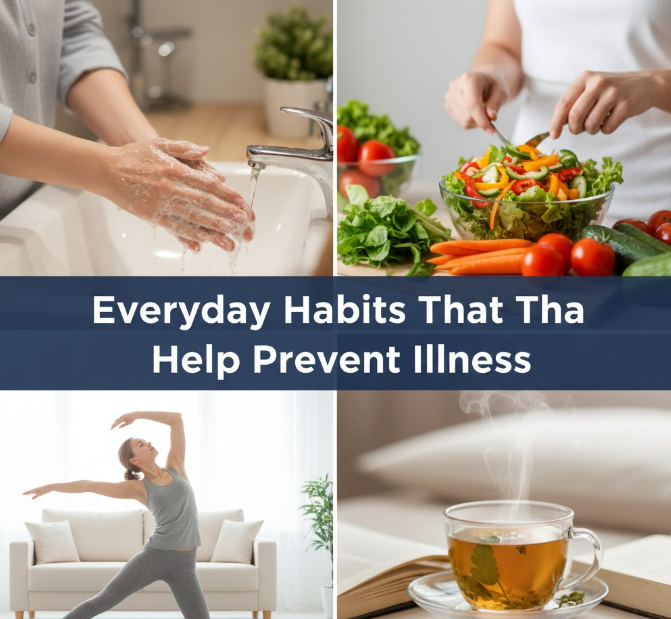
Getting sick is never fun. It can be a cold that has you home sick out of school or even out of a job, or something more serious—sickness can cause havoc in your whole life. The good news? Simple day-to-day practices that one can apply help avoid many diseases.
You do not need costly supplements and complex exercises to remain fit. The majority of illness prevention is reduced to simple practices that put the natural defenses of your body at ease. These daily practices form a very powerful base of good health that is lifelong.
This manual will take you through some of the best habits in practice that have science behind them. What you eat and the way you sleep—each of these habits is vital in maintaining the strength of your immune system and keeping your body healthy.
The Power of Daily Habits and Why You Should Have More of Them
The body is always fighting to safeguard you against germs, viruses, and bacteria. But it will not do its task without your assistance.
Just imagine your immune system is a security guard to a building. Provided that the team is properly rested, nourished, and has the equipment, the team can prevent threats before they become an issue. However, when tired, hungry, or without some valuable equipment, intruders can enter.
What your immune system needs to be supported is through your daily habits. Consistency is key here. One healthy meal is no better than the next, although a lifetime of good meals will create an effective defense.
Washing Hands: The First Line of Defense
Washing hands may not sound like a significant measure to take, yet it is among the most effective illness prevention techniques.
You touch hundreds of surfaces with your hands every day. The doorknobs, phones, keyboards, and counters all have germs of other people. Those germs have a direct entry into your body when you touch your face (which most people do dozens of times per hour).
How to Wash Your Hands the Right Way
The majority fail to wash their hands in the right way. Here’s what actually works:
- Dampen your hands using clean running water
- Apply soap and make a good lather
- Scrub a minimum of 20 seconds (sing Happy Birthday twice)
- Wash under your nails and in between your fingers
- Rinse well with running water
- Dry with clean towel or air dryer
When to Wash Your Hands
Timing is equally important as technique. Always wash your hands:
- Prior to eating or cooking
- After using the bathroom
- After coughing, sneezing, or blowing your nose
- After coming into contact with animals or pet waste
- After handling garbage
- After coming home from public places
If soap is not available, hand sanitizer with 60 percent alcohol or above is effective. However, there is nothing that is more effective than the right handwashing with water and soap.
Sleep: The Time Your Body Needs to Repair
Sleep is not only about feeling rested. It is a time that your body is doing significant repair and maintenance.
When you are asleep, your immune system releases proteins called cytokines. These proteins combat infection and inflammation. Lack of adequate sleep will cause your body to produce less of these protective proteins.
How Much Sleep You Need
Age is important in regard to sleep requirements, but the following are the most general recommendations made by most professionals:
| Age Group | Recommended Sleep |
|---|---|
| Teens (14-17 years) | 8-10 hours |
| Young Adults (18-25) | 7-9 hours |
| Adults (26-64) | 7-9 hours |
| Older Adults (65+) | 7-8 hours |
Getting less than 7 hours routinely exposes you three times more to a cold after coming into contact with the virus.
Tips for Better Sleep
Quality is equivalent to quantity. Create better sleep by:
- Going to sleep at the same time each night
- Keeping your bedroom cool (65-68°F)
- Avoiding screens an hour before sleep
- Making your room as dark as possible
- Limiting caffeine after 2 PM
Your bedroom is supposed to be a sleep sanctuary. Do not use it for work or even to watch TV.
Foods That Boost Your Immune System
Food is medicine, but not in the sense that is being promoted by the supplement companies. Whole foods are the real foods that provide nutrients to your body to combat sickness.
There are vitamins and minerals that your immune system requires. It is far preferable to obtain them via food than pills since whole foods have hundreds of beneficial compounds that work together.
Power Foods for Preventing Illness
There are foods that are particularly effective to boost your immunity:
Citrus Fruits – Oranges, grapefruits, and lemons are rich in Vitamin C. Vitamin C helps your body create white blood cells, which combat infection.
Garlic – Contains allicin, a substance that makes immune cells more effective against viruses and bacteria.
Ginger – Decreases inflammation and possesses antimicrobial properties to assist your body in combating germs.
Spinach and Leafy Greens – Contain vitamin C, antioxidants, and beta carotene, which enhance your immune system’s ability to fight infections.
Yogurt – Live culture yogurt is beneficial to your gut bacteria, where approximately 70% of your immune system resides.
Almonds – Good sources of vitamin E, which is a strong antioxidant and contributes to the maintenance of the immune system.
Turmeric – Contains curcumin, which reduces inflammation and helps your immune system respond to invaders.
Building Balanced Meals
You do not have to eat a perfect meal to be healthy. Aim for balance, rather than perfection.
At every meal, work towards a 50 percent intake of vegetables and fruits. Include a serving of whole grains (brown rice or whole wheat bread) and a palm-sized serving of protein (chicken, fish, beans, or eggs).
It is important to eat a variety of colors so that you can have different nutrients. Red peppers, orange carrots, yellow squash, green broccoli, and purple cabbage each have special advantages.
Drinking Plenty of Water During the Day
Water does not only quench your thirst. It assists your body in eliminating toxins and maintains your mucous membranes moist, which prevents germs before they strike you down.
During dehydration, your body is not able to produce sufficient saliva, tears, and mucus to protect you against infection. Your blood also becomes thicker, and therefore your immune cells can no longer travel where they are needed easily.
How Much Water Do You Need?
The simple rule of 8 glasses a day is too simplistic. Your needs are determined by your size, activity, and climate.
It would be wiser to drink to the point where your urine turns pale yellow. Dark yellow urine is an indication that you require more water.
Most adults need about 11-15 cups of fluids per day (including food). Food, particularly vegetables and fruits, contributes about 20 percent of your water intake.
Making Hydration Easier
In case you have problems with taking enough water, consider the following tricks:
- Carry a water bottle wherever you go
- Drink a glass of water upon waking up
- Have a glass before each meal
- Set reminders on your phone
- Add natural flavors like lemon, cucumber, or mint
- Consume water-rich foods such as watermelon, cucumber, and strawberries
Coffee and tea count toward fluid intake, but water is the best choice.
Move Your Body Every Single Day
The nearest thing to a health magic pill may be exercise. Exercise increases immune functioning and prevents chronic illnesses.
Exercising causes your body to circulate immune cells faster. The cells are able to identify and resist disease at a quicker rate. Exercise also lowers inflammation and enables your antibodies and white blood cells to identify threats earlier.
How Much Exercise Do You Need?
You do not have to run marathons or go to the gym all day. Moderate exercise is sufficient to achieve real gains.
Aim for 150 minutes of moderate activity every week. That translates to only 30 minutes, 5 days a week.
Moderate exercise is enough to cause you to breathe more heavily but still be able to talk. It can be walking, riding a bike, swimming, or dancing.
Find Activities That You Actually Enjoy
The best exercise is the one that you will actually do. Stop thinking that you are supposed to do something specific and find what you like.
Experiment with various activities until something works:
- Walking or hiking in nature
- Dancing to your favorite music
- Playing sports with friends
- Swimming or water aerobics
- Yoga or stretching routines
- Gardening or yard work
- Playing with kids or pets
Short bursts of action count too. Use stairs rather than elevators. Park farther from the store entrance. Walk while talking on the phone. Every bit of movement helps.
Managing Stress Before It Weakens You
Chronic stress is comparable to leaving your immune system alarm on constantly. It ends up being worn out and failing to work properly.
When you are stressed, your body releases the hormone cortisol, which suppresses the immune system. Short-term stress is okay; however, continuous stress keeps cortisol at high levels and leaves you prone to diseases.
Studies indicate that individuals who experience high stress levels fall ill more frequently and take longer to heal from infections.
Simple Stress Management Techniques
There is no way you can eliminate all stressful situations in your life, but you can alter the way you react to them.
Deep Breathing – This triggers a relaxation response in your body. Try breathing in for four counts, holding for four counts, and exhaling for four counts. Do this for two minutes when you feel stressed.
Time in Nature – Being outdoors lowers cortisol levels naturally. A 20-minute walk in nature can reduce your stress hormones dramatically.
Talking with a Friend or Family Member – Provides emotional support and gives you time to work through problems. Do not attempt to do everything yourself.
Limiting News and Social Media – Minimizes exposure to stressful information. Check the news only once a day, not constantly.
Having a Hobby – Provides your mind with rest. Hobbies decrease stress and enhance general wellbeing, whether it is reading, crafting, or playing music.
Creating Daily Calm
Build little moments of peace into your day:
- Take five minutes of silence in the morning (before checking your phone)
- Take three deep breaths before meals
- Stretch for 5 minutes before bed
- Play relaxing music on your commute
- Establish boundaries regarding work hours
Such small efforts translate to great stress relief in the long run. For more information on maintaining a healthy lifestyle, visit Cakvia.
Keeping Your Environment Clean
The environment you live in affects your health more than you may imagine. Germs are able to survive for hours or even days on surfaces, awaiting the next person to touch them and become infected.
Keeping your space clean lowers the number of germs in your environment and decreases the possibility of becoming ill.
High-Contact Surfaces That Should Be Cleaned Daily
Clean where it matters most:
- Door handles and light switches
- Phone screens and keyboards
- Kitchen countertops and cutting boards
- Bathroom toilet handles and faucets
- Remote controls and game controllers
- Shared devices and equipment
Most cleaning requires no harsh chemicals. Soap and water work well for most surfaces. To disinfect, use EPA-approved cleaners and follow the label instructions.
Fresh Air Matters Too
Open your windows regularly so that the air quality in your house can be good. Indoor air can be 2-5 times more polluted than outdoor air because it traps germs, dust, and chemicals from cleaning products and furniture.
Just 15 minutes a day of open windows can improve indoor air quality and reduce exposure to airborne germs.
Avoiding Smoking and Excessive Alcohol
Both smoking and drinking excessively destroy your immune system and predispose you to sickness.
Why Smoking Damages Your Defenses
Smoking destroys the fine hairs in your respiratory system that brush out germs and mucus. It also lowers the concentration of antibodies in your blood and impairs immune cells’ ability to combat infection.
Smokers contract more colds, flu, and respiratory diseases than non-smokers. They also tend to have more severe complications from such ailments.
If you smoke, quitting is the best thing you can do for your health. Within a few weeks of quitting, your immune function begins to improve.
The Effect of Alcohol on Immunity
Moderate consumption (one drink daily for women, two for men) does not appear to impair the immune system significantly. However, heavy drinking greatly impairs your body’s immunity.
Alcohol disrupts beneficial gut bacteria that support immunity. It also damages immune cells in your airways and makes it harder for your body to fight respiratory infections.
If you drink, keep it moderate. Have some alcohol-free days to give your body time to recover.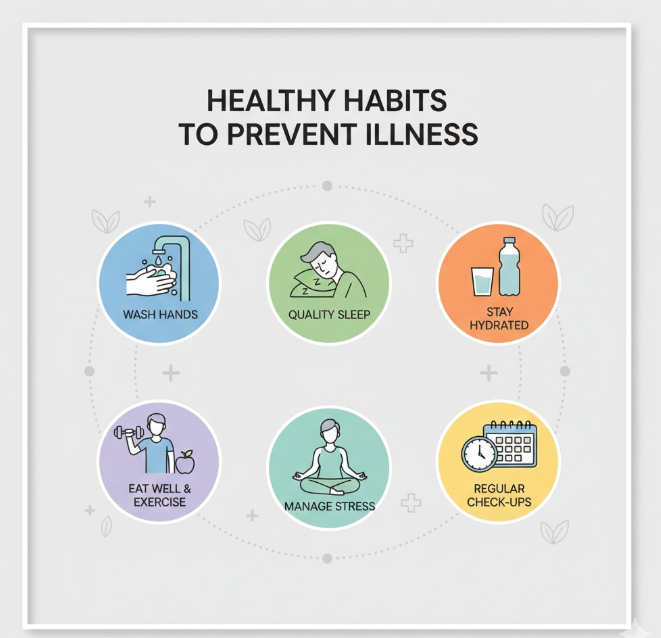
Getting Vaccinated on Time
Vaccines train your immune system to fight specific illnesses. They are among the best preventive measures against severe illness.
Most people believe that vaccines are only for children, yet adults need them too. The flu vaccine, for example, is recommended annually for anyone above 6 months of age.
Vaccines Adults Need
Discuss with your doctor which vaccinations you need depending on your age, health conditions, and lifestyle. Common ones include:
- Annual flu vaccine
- COVID-19 vaccines and boosters
- Tetanus booster every 10 years
- Shingles vaccine for patients over 50 years
- Pneumonia vaccine for older adults
Vaccines do not simply protect you. By getting vaccinated, you also protect those who are vulnerable and unable to be vaccinated because of health conditions.
Building Strong Social Connections
Loneliness is not just an emotional issue. It suppresses your immune system and exposes you to sickness.
Research indicates that individuals who have strong social ties live longer and become less sick compared to isolated individuals. Social support also lowers stress hormone levels and makes your immune system work more efficiently.
Quality Over Quantity
You do not have to have dozens of friends in order to remain healthy. A small number of close and supportive relationships is better than a large number of shallow ones.
Pay attention to relationships that help you feel valued and supported. Spend time with those who lift you up rather than drain your energy.
If you feel lonely, seek out communities with similar interests. Join a club, take a course, volunteer, or attend religious services. When people share similar interests, they find it easy to form relationships.
Putting It All Together
These habits combined create lasting good health. However, attempting to make all changes simultaneously can feel overwhelming and lead to abandonment.
Instead, focus on one or two habits first. When those become natural, add another one. Small sustainable changes are much more effective than a dramatic overhaul that doesn’t last.
Tracking Your Progress
Keep a simple habit journal. This does not have to be complicated. Just check off each day you:
- Got 7-8 hours of sleep
- Drank enough water
- Ate fruits and vegetables
- Exercised for 30 minutes
- Managed stress through healthy activities
Seeing your progress provides motivation and helps you recognize patterns. You may find that you fall ill more frequently during weeks when you stop exercising or don’t sleep well.
Frequently Asked Questions
Does taking vitamin C supplements help prevent colds?
Research indicates that vitamin C supplements do not prevent colds for most people. Nevertheless, getting adequate vitamin C from food is essential for immune function. Eat citrus fruits, strawberries, bell peppers, and broccoli instead of relying on pills.
How often should I wash my hands?
Wash your hands whenever they may have collected germs: before eating, after using the bathroom, after being around other people, and after touching objects that others have handled. Most people should wash their hands at least 10-12 times a day.
Should I exercise when I am already sick?
Light movement is generally okay if you have mild cold symptoms above the neck (runny nose, slight sore throat). However, avoid exercise when you have fever, body aches, chest congestion, or stomach upset. Your body needs energy to fight infection.
Can stress truly make you physically sick?
Yes. Stress weakens your immune system and makes you more susceptible to infections. Highly stressed people catch more colds and take longer to recover. Stress also worsens existing health conditions.
Is hand sanitizer as good as washing hands with soap and water?
Hand sanitizer is convenient when soap isn’t available, but handwashing with soap and water is more effective. Soap physically removes germs from your skin, while sanitizer only kills some germs. When hands are visibly dirty or greasy, soap and water work best.
How long should I stay home when I am ill to prevent spreading sickness?
Stay home until you are fever-free without medication for 24 hours. For colds, you are most contagious during the first 2-3 days. With flu, you can spread it one day before symptoms start until 5-7 days after.
Do I need to clean my phone daily?
Your phone harbors many germs since you touch it constantly and place it close to your face. Clean it daily with a slightly damp microfiber cloth or electronic disinfectant wipe. Do not spray cleaner directly on your phone.
How can I boost my immune system quickly before traveling?
You cannot significantly boost immunity overnight, but you can avoid weakening it. Get good sleep for several days before traveling, drink plenty of water, wash your hands frequently, and avoid touching your face. Consider wearing a mask on planes where you’re in close contact with many people.
Living Without Making Excuses
The goal is not perfection in preventing illness. It is about consistently doing the small things that keep your body strong and healthy.
There will be days when you do not sleep adequately or eat as well as you would like. That’s normal and okay. What you do most of the time matters more than what you do occasionally.
Consider these habits as investments in your future. Each glass of water, every good night’s sleep, and every healthy meal strengthens your body’s defenses. These small daily actions build powerful protection against disease over time.
Start where you are. Choose the habit that feels most manageable and develop it. Your future self will thank you for establishing these daily rituals that lead to a healthier, more energetic life.
The ability to prevent sickness lies in your hands, your kitchen, and your daily decisions. Put these practices into action, and you will see how much better you feel.
For additional health guidance and resources, consult the Centers for Disease Control and Prevention.