
Your body can be described as a complicated machine that operates 24 hours. Your body requires certain vitamins and minerals in its daily operation just as a car requires fuel and oil to work efficiently.
Consider the last time you were exhausted, fatigued or simply off. Perhaps your hair looked boring, your skin had been playing with you or you were not able to concentrate at school. Very frequently such issues occur due to the lack of the appropriate nutrients in your body.
Millions of tasks are carried out in your body every single day. There are about 100,000 beats of your heart. The lungs do approximately 20,000 inhales. There are numerous signals relayed by your brain to ensure everything is operational. All these processes require certain vitamins and minerals to occur properly.
The good news? These nutrients are not as hard as they may seem to get. Whenever you are aware of what your body desires and where to get it, you find it easy to make simple decisions that will keep you healthy and energized.
In this paper, we are going to discuss the most important vitamins and minerals your body demands in a day, why they are important and how to obtain them in the foods you consume.
Given the importance of these nutrients to your body, why can it not give it without them?
Interesting fact here is that your body is able to synthesize certain nutrients, but not all of them. The ones it is unable to make is referred to as essential nutrients and this implies that you have to obtain them through food or supplements.
When you fail to consume the adequate amount of these nutrients things begin to go wrong. You are prone to catching colds. Your bones could become weak. You may experience a crash in your energy levels.
These are essential nutrients that scientists classify into two major groups: minerals and vitamins. They play important roles, and yet, they act in various ways within your body.
Vitamins are organic substances that assist in controlling the body functions. Minerals are the inorganic components which form the body structures such as the bones and teeth and also participate in the body functions.
Your body just requires minute portions of these nutrients. However, do not underestimate the little amounts of them, they hit hard when it comes at maintaining your good health.
The Vitamin Powerhouses You Should Have Daily
Vitamin A: Vision and Immunity Guardian
Vitamin A does not just make you see in the dark. This nutrient makes your immune system resilient, your organs operate well and your skin is healthy.
The recommended daily amount of Vitamin A that your body requires is approximately 700-900 micrograms, which is dependent on your age and gender.
Sources: Orange and yellow vegetables are the great source of Vitamin A and carrots, sweet potatoes, spinach, eggs and milk are also good sources of Vitamin A.
You may have troubles with low Vitamin A and may not see in dark. Your skin might get dry and harsh. You may also fall ill more frequently since you have not got your full immunity.
B Vitamins: The Energy Squad
There are eight members of the B vitamin family and each of them has a different contribution to food being turned into energy. These vitamins are like a team, they assist your body in utilizing the nutritional content of your food.
B1 (Thiamine) assists your organism in using carbohydrates and maintaining a healthy nervous system.
B2 (Riboflavin): It helps in cell growth as well as in the formation of red blood cells.
B3 (Niacin) enhances your cholesterol levels and makes your skin healthy.
B6 (Pyridoxine) aids in the formation of the neurotransmitters, the brain chemicals that pass messages.
B9 (Folate) is essential in DNA production and is of great significance to pregnant women.
B12 (Cobalamin) maintains the health of nerve cells and aids in the manufacture of red blood cells.
B vitamins sources: Several B vitamins are found in whole grains, meat, eggs, dairy products, legumes, green leafy foods, and fortified cereals.
Individuals that lack sufficient B vitamins usually experience fatigue, loss of energy or feel disoriented. Others may also become anaemic, which is a condition of lack of enough healthy red blood cells.
Vitamin C: The Immunity Booster
By eating proper foods, our bodies absorb nutrients like vitamin C which helps in boosting our immunity.
The most widely known vitamin is vitamin C. It is used to make collagen, a protein that helps wounds to heal by your body. It is also considered to be a good immune booster and an antioxidant that helps to keep your cells healthy.
The required amount of adult dose is about 75-90 milligrams per day. This is more necessary as smoking takes away Vitamin C in the body.
Where to get it: It is an excellent source of oranges, strawberries, bell peppers, broccoli, and tomatoes. The vitamin C in fresh fruits and vegetables is the highest.
Lack of sufficient Vitamin C can cause you to bleed in the gums, take longer to heal wounds and easily bruise. At the worst you may even get scurvy though this is improbable nowadays.
Vitamin D: The Sunshine Vitamin
Vitamin D actually can be produced by your body when exposed to the sunlight on your skin. However, the amount is still insufficient in the eyes of many people, particularly those people who either reside in regions where winter is long or those who spend the majority of their life at home.
Vitamin D aids the absorption of calcium in your body that makes your bones strong. It is also good to boost your immune system and mood regulation.
The daily dose of about 600-800 IU (International Units) depends upon your age.
Preferred sources: Vitamin D is found in fatty fish, such as salmon and tuna; in egg yolks and in fortified milk and fortified cereals. Nevertheless, moderate exposure to the sun is the greatest source, and it is approximately 10-30 minutes of sun exposure a few times a week.
Deficiency in Vitamin D may result in weakening of bones, exposure to greater risk of fracture and depression. Routine blood tests are now routinely checked by many physicians on Vitamin D levels.
Vitamin E: The Cell Protector
Vitamin E functions as a body guard of cells. It cushions them against the attacks of free radicals unstable molecules that will destroy the body in the long-run.
Adults require approximately 15 milligrams a day.
The sources of Vitamin E: Vitamin E is found in nuts, seeds, vegetable oils, spinach, and broccoli. A few almonds provide you with a good amount of what you need in a day.
Vitamin E deficiency is uncommon and it may lead to nerve damage and muscle damage, eye problems and impaired immune system.
Vitamin K: The Blood Clotting Hero
Vitamin K comes into play when you chop yourself. It aids in clotting your blood in a proper manner in order not to bleed profusely. It is also useful in developing strong bones.
Approximately 90-120 micrograms per day is required.
Sources: Vitamin K can be found in abundant amounts in spinach, kale, and broccoli which are all leafy green vegetables. This nutrient is also found in some vegetable oils and foods produced through fermentation.
Small cuts may take a long time before the bleeding stops without sufficient Vitamin K. There might be also an increased risk of bone fracture.
The Great Minerals Your Body Needs
Calcium: The Bone Builder
The mineral most prevalent in your body is calcium. Ninety-nine percent of it is in your bones and teeth, and they make them strong and hard.
Calcium does not just make bones. It makes your muscles contract, your nerves relay messages and your blood clot when necessary.
In adults, the daily dosage should be 1000-1200 milligrams.
Where to get it: The known sources of calcium are dairy products such as milk, cheese and yogurt. Nevertheless, it can also be found in leafy greens, fortified plant milks, tofu and canned bone-contained fish.
Lack of sufficient calcium may result in frailty of bones and osteoporosis in the future life. Young people who do not receive the necessary amount may not develop to their full height.
Iron: The Oxygen Carrier
Iron assists in the production of hemoglobin, a red cell protein that transports oxygen over the entire body. All cells require oxygen in order to generate energy.
The dosages required by men are approximately 8 milligrams per day whereas women are recommended to take 18 milligrams a day since women lose blood during menstruation.
The sources: Iron can be found in red meat, poultry, fish, beans, lentils, spinach, and fortified cereals. Meat is easily absorbed in your body as compared to plants.
One of the most prevalent nutritional deficiencies at the global level is iron deficiency. It leads to fatigue, weakness, skin goes pale and is inadequate in concentration. This is referred to as anemia.
Magnesium: The Multi-Tasker
In your body, magnesium is involved in more than 300 chemical reactions. It assists in the production of protein, keeps the bones strong, control of blood sugar and proper nerve and muscle functioning.
The daily requirements of adults range between 310-420 milligrams depending on age and gender.
Good sources: Nuts, seeds, whole grains, leafy green vegetables, beans and dark chocolate are all good sources of magnesium.
Lack of magnesium may lead to cramps in the muscles, weakness, irregular heart-beats, and change of moods. Lack of magnesium in the diet is common to many people.
Potassium: The Heart Helper
Sodium and Potassium have a close association in terms of fluid balance in your body. It also assists in contraction of your muscles and healthy blood pressure.
Adults require approximately 2,600-3,400 milligrams a day.
Location: Bananas are known as rich sources of potassium but sweet potatoes, beans, spinach, yogurt and salmon are even higher.
Inadequate amount of potassium may lead to muscle weakness, fatigue, and irregular heartbeat. It may also increase your blood pressure.
Zinc: The Immune System Booster
Zinc allows your immune system to combat bacteria and viruses. It is also useful in healing wounds as well as in your sense of taste and smell.
Adults should be taking 8-11 mg per day.
Availability: Oysters have a greater content of zinc than any other food, although meat, beans, nuts, whole grains, and dairy products are sources of this mineral.
Deficiency in zinc may make your body less immune, slow down the wound, make your hair fall out and lower your taste ability.
Sodium: The Mineral That Has Been Misjudged
There is a bad picture of sodium and yet your body requires it. It aids in the balance of fluid, nerve functioning as well as muscle contraction.
The issue is that majority of the population consumes excessive sodium, rather than excessive deficiency. It is just about 500 milligrams a day but most of the population takes 3,400 milligrams or more.
Sources of it: Table salt, processed food, canned soups and even restaurant food contain a lot of sodium. Small contents are naturally found in most whole foods.
Excess sodium may elevate blood pressure and cause heart disease. However, a lack of it may lead to confusion, muscle cramps, and fatigue.
Iodine: The Thyroid Regulator
Iodine is also needed in your thyroid gland to synthesize hormones that regulate your metabolism, heart rate and body temperature.
Adults require approximately 150 micrograms per day.
Iodine is found in: iodized salt, seafood, dairy products, and eggs.
Due to the deficiency of iodine, the thyroid gland may enlarge (this is known as a goiter), the child may gain weight, become fatigued and have developmental difficulties.
Quick Reference: Daily Nutrient Requirements
The following table presents the amount of each nutrient that adults should usually get:
| Nutrient | Daily Amount | Important Food Sources |
|---|---|---|
| Vitamin A | 700-900 mcg | Carrots, sweet potato, spinach |
| Vitamin C | 75-90 mg | Oranges, peppers, strawberries |
| Vitamin D | 600-800 IU | Fatty fish, fortified milk, sunlight |
| Vitamin E | 15 mg | Nuts, seeds, vegetable oils |
| Vitamin K | 90-120 mcg | Leafy greens, broccoli |
| Calcium | 1,000-1,200 mg | Dairy, fortified plant milks, leafy greens |
| Iron | 8-18 mg | Red meat, beans, fortified cereals |
| Magnesium | 310-420 mg | Nuts, whole grains, leafy greens |
| Potassium | 2,600-3,400 mg | Bananas, sweet potatoes, beans |
| Zinc | 8-11 mg | Meat, beans, nuts |
How to Get All These Nutrients Without Going Crazy
This long list may look very overwhelming to read. And what about these vitamins and minerals, how are you supposed to get all of these daily?
Here is the trick: you do not have to enumerate all the nutrients. Rather, concentrate on consuming different, colorful, whole foods.
Eat the rainbow. Various foods with varying colors have varying nutrients. There is Vitamin A in orange foods and antioxidants in red foods. The green foods contain iron and calcium.
Replace refined grains with whole grains. Bread made of whole wheat, brown rice, and oatmeal also have a greater number of vitamins and minerals as compared to white bread and white rice.
Intake of protein at all meals. Meat, fish, eggs, beans and nuts contain numerous nutrients.
Do not omit dairy or substitutes. Milk, yogurt, and cheese provide you with calcium, Vitamin D and protein. In case you do not consume dairy, then you should consume fortified dairy substitutes.
Snack smart. Rather than chips or cookies, grab nuts, fruit or vegetables with hummus.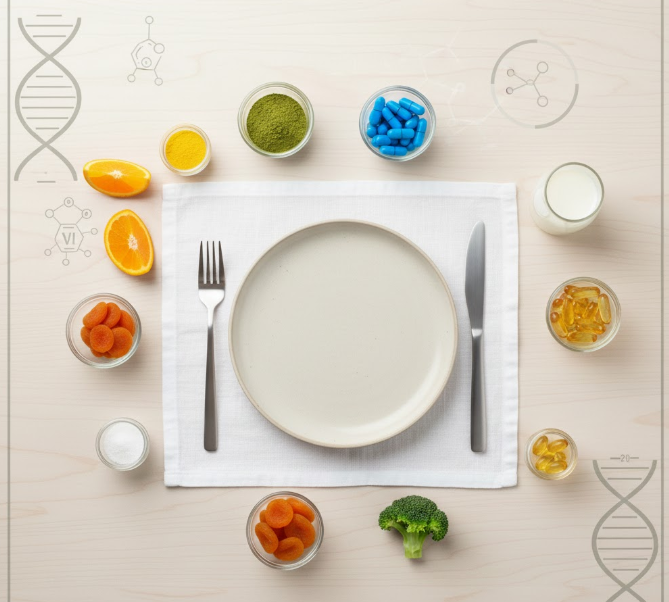
Supplements Could Be Necessary When You Are Experiencing The Following Symptoms
Through food, most of the vitamins and minerals required by people can be obtained. However, in the case of some situations, some people may require supplements.
Women who are pregnant require the additional folate and iron to nourish the growing baby.
Older adults may require an additional amount of Vitamin D and B12 due to their inability to absorb them effectively.
B12 supplements may be required by vegetarians and vegans since this vitamin is found in animal-derived products to a large extent.
Individuals who have some medical conditions may not be able to absorb nutrients and require supplements.
Consult your physician before taking any supplements. More might not necessarily be better and certain vitamins and minerals are dangerous in excess amounts. For more health insights and tips, visit Cakvia.
Body Alerts Your Needs Of Additional Nutrients
The reason is that your body tends to provide some sort of indication whenever it is not receiving enough vitamins or minerals. Here are some common signs:
Constant fatigue – This could indicate that you require increased amounts of iron or B vitamins.
Frequent infections – Low Vitamin C, D, or zinc may be indicated by frequent infections.
Weak or brittle nails may be a sign of lack of calcium or protein.
Flaky skin, dry skin may indicate a deficiency in Vitamin A or E.
Cramps can occur in the muscles due to lack of magnesium or potassium.
Slow-healing wounds may indicate that you should take additional Vitamin C or zinc.
In case you observe these signs, do not necessarily rush to the supplement store. The first thing to do is take a look at what you are eating and what you can include that has more nutrients. Thereafter, discuss with your doctor in case of persistent symptoms.
Making It Work in Real Life
It is one thing to be aware of what you need in terms of nutrition. Procuring them is another thing.
The following are some of the tips that can be utilized in real life:
Plan your meals ahead. With a plan, you are more likely to have balanced meals rather than the quick stuff.
Keep healthy snacks visible. Place fruit on your counter and chop vegetables in your refrigerator. You’ll eat what you see.
Learn to read food labels. Most packaged food includes the percentage of daily vitamins and minerals they contain.
Cook at home more often. Foods in restaurants and processed foods contain fewer nutrients and sodium.
Make small changes. You do not have to jump ship and change your whole diet. Begin by replacing one serving of vegetables with dinner or replacing white bread with whole grain bread.
Frequently Asked Questions
Is it possible to have excess vitamins and minerals?
Yes, particularly by supplements. The fat-soluble vitamins (A, D, E, and K) also accumulate in your body and result in complications in case of excessive intake. There are specific minerals such as iron which are toxic when taken in large quantities. This is why it is more prudent to have food supply nutrients.
Do I require to take a multivitamin daily?
The majority of healthy individuals that consume a balanced diet do not require multivitamin. Nevertheless, they can serve as a precaution in case you find yourself having problems with consumption of sufficient and diverse foods. Discuss with your physician the necessity of one.
Do organic foods contain more nutrients?
Fruits and vegetables which are organic and conventional have equal amounts of vitamins and minerals. The most significant thing is consuming ample amount of produce be it organic or not.
What do I do to determine whether I am deficient in vitamins?
Your doctor can take a blood test to determine the amounts of certain vitamins and minerals. In case of any chronic symptom such as fatigue or frequent illness, request your physician to test.
Will vitamins and minerals be drained by stress?
Yes, stress may elevate the demand of some of the nutrients in your body, particularly B vitamins, Vitamin C, and magnesium. This is another reason why it is so essential to eat well when one is under stress.
Are athletes in need of extra vitamins and minerals?
Athletes have a larger energy requirement in general and may require a moderate amount of some nutrients such as iron and B vitamins. However, extra nutrients are normally obtained through natural eating to increase their calorie requirements.
Your Road to Better Nutrition
You do not need a science degree or even hours of meal planning just to get all the vitamins and minerals your body requires daily. It only needs consciousness and few uncomplicated habits.
Begin with half a plate of fruits and vegetables per meal. Include a whole grain and a protein source. Add a little milk or fortified substitute. Eat nuts and seeds rather than chips.
These are just but some of the simplest ways to change to enhance your nutrient consumption without having to feel that you have been on a restrictive diet.
It is important to keep in mind there is no perfect nutrition. There are days when you will eat more than usual and that is not anything to be worried about. It is the trend but not every single meal that is important.
Your body is exceptionally strong. Feed it with what it requires on most of the days and it will compensate you with a higher energy level, sharper mind, immunity and better health.
Vitamins and minerals that we have mentioned are not extra and do not come as a side show, they are necessities in leading a healthy life. It is one thing to know what your body requires and where to get these nutrients, and you are taking control of your health in a mighty manner.
Start today. Take a look at the next meal and say to yourself: am I giving my body what I need? Make one small improvement. Then another. These little modifications will eventually lead to huge outcomes.
Your body labors on your behalf on a daily basis. That should include giving back to it by nourishing it with the nutrients it requires to live.
For more information on essential nutrients and dietary guidelines, visit the National Institutes of Health Office of Dietary Supplements.