

The Reason Your Diet Matters When Fighting Off Illness
Your immune system is at work 24 hours to ensure that you are not exposed to germs, viruses, and harmful bacteria. Imagine it as a kind of army of your body that is constantly protecting you. However, here is the point: this army has to have the proper fuel to remain strong and efficient.
The type of food that you consume directly influences the functioning of your immune system. By feeding your body with healthy foods rich in vitamins, minerals and antioxidants, you are providing your own immune cells with just what they are required to get rid of invaders. On the other hand, a diet rich in processed food and sugar may make your system weak.
The good news? You do not have to use costly supplements or other complicated diets. We already have nature that has already given us immune-boosting foods that are powerful and easy to fit into your day to day routine. This paper will discuss the most effective foods to build a healthy immune system and demonstrate how to integrate them into your life.
Citrus Fruits: Vitamin C Powerhouse
Oranges, grapefruits, lemons and limes are not just snacks that are refreshing. They are also rich in vitamin C which is one of the most essential nutrients in terms of the immune system.
Vitamin C assists your body in manufacturing of the white blood cells which are the soldiers of your immune system. These cells attack and kill the invaders that are harmful. Vitamin C cannot be stored in the body and as such, it must be consumed on a regular basis to ensure that your defenses are maintained.
How Much Do You Need?
The targeted amount of vitamin C is 75-90mg per day in adults. You obtain approximately 70 mg from one medium orange, nearly all that you need each day. Begin your day with a glass of fresh orange juice or add lemon additions to your water during the day.
Beyond Oranges
Don’t limit yourself to oranges. Grapefruits also have more vitamin C per serving. Tangerines are best portable snacks. Limes are used to add flavor to meals and beverages and to increase your immune intake.
Garlic: The Eternal Immune Fighter
Garlic was recommended thousands of years as medicine, and science supports our instincts nowadays. This pungent bulb includes substances to boost your immune system to react better to any danger.
Allicin is the main constituent of garlic that is created when fresh cloves of garlic are crushed or chopped. Allicin was also found to boost the performance of immune cells and minimize inflammation in your body.
Getting the Most from Garlic
Fresh garlic is more effective than powdered ones with regard to immune support. Smash or cut or chop cloves and allow them to rest 10 minutes prior to cooking. This enables the development of the beneficial compounds to its full extent.
Add it in soups, stir-fry, roasted vegetables or pasta. Although you may not like the bitter flavor, cooking dilutes the flavor keeping the majority of the health advantages.
Yogurt and Fermented Foods: Gut Health is Immune Health
Approximately, 70 percent of your immune system resides in your gut. This may appear to be weird, yet in actual sense, your digestive tract is the first line of defense against bad bacteria and viruses that you eat.
Probiotics are found in yogurt, kefir, sauerkraut and kimchi among other fermented foods. They are harmless bacteria, which take care of the healthy bacteria that are already present in your gut. A healthy microbiome in your gut positively influences your whole immune system.
Choosing the Right Yogurt
Look for labels containing the information about live and active cultures. Low-fat unflavored yogurt is best. Greek yogurt is also a good source of supplementary protein as well as probiotics hence is an excellent breakfast or snack meal.
If you are not fond of the tanginess of yogurt, combine it with fresh berries and honey drizzle. The mix is very good and provides additional nutrients that boost immunity.
Leafy Greens: Superpower Foods
Spinach, kale, Swiss chard, and collard greens must be on your plate every day. These are vegetables rich in vitamin A, C and E, antioxidants and fiber.
Vitamin A would also keep the tissues of your mouth, stomach, and respiratory system healthy and regulate your immune system. Such tissues are your initial line of defense against germs attempting to gain access to your body.
Making Greens More Appealing
People do not all find the taste of leafy greens very palatable, yet they can be incorporated easily. Add spinach to fruit shakes and you will not notice it. Add kale to soups and stews. As a side meal, sauté Swiss chard with olive oil and garlic.
The trick is in cooking greens in a light way. Over cooking is known to destroy part of the nutrients and light steaming or sautéing helps the nutrients to be more digestible and maintain their roles in boosting the immune system.
Almonds and Sunflower Seeds: Vitamin E Powerhouses
Though most people focus on vitamin C, vitamin E is important to the immune system as well. This vitamin is a potent antioxidant and it prevents the destruction of your cells.
The best sources of vitamin E are almonds and sunflower seeds. One ounce of almonds (approximately 20-25) gives approximately half a daily dosage of vitamin E.
Smart Snacking Strategies
Almonds are a great snack to carry in your bag in case you are hungry between meals. Scatter sunflower seeds on salads or yogurt. Combine various nuts and seeds to make your own trail mix that helps to boost your immune system.
Note that nuts and seeds are high in calories and therefore it is important to control the amount consumed. However, the healthy fats they have, in fact, aid your body in the absorption of the most vital nutrients.
Bell Peppers Contain More Vitamin C Than Oranges
And here is a very interesting fact; red bell peppers have nearly three times the vitamin C of an orange. They also contain a lot of beta-carotene which your body would transform to vitamin A.
Bell peppers are available in varying colors and each has a little variation in the nutrients provided. The vitamin C content is the greatest in red peppers, while the green ones are harvested earlier and contain less of the same. The varieties of yellow and orange are in the middle.
Easy Ways to Eat More Peppers
Cut bell peppers in slices and dip them in hummus for a snack. Add them to omelets, stir-fries or fajitas. Roast them in the oven with olive oil and garlic for a sweet caramelized side dish.
Cooked peppers contain less vitamin C than raw peppers, but are also beneficial to health. Whichever method of preparation you prefer the most, then select it to make sure you will do it regularly.
Ginger: Natural Anti-Inflammatory Fighter
Ginger is not just an agent against an upset stomach. This root is spicy and it is anti-inflammatory and enhances the work of your immune system.
The long term effect of chronic inflammation is suppression of your immunity. Ginger has substances known as gingerols that suppress inflammation all in your body enabling your immune cells to function efficiently.
Adding Ginger to Your Diet
The fresh ginger root is the most beneficial. Peel and chop it into smoothies, soups or stir-fries. A warming tea is made by steeping fresh ginger cut in slices in hot water. Sprinkle on baked goods or sprinkle over roasted vegetables.
You can begin with little portions, just in case you do not like the intense taste of ginger. A little would do it, and your taste would settle down in due course.
Turmeric: The Golden Spice for Immunity
Curry owes its bright yellow color to turmeric and has impressive immune-supporting properties. Curcumin, which is the active component of turmeric, is a potent anti-inflammatory and antioxidant agent.
Studies indicate that curcumin has the ability to boost the functionality of immune cells and also your body is more likely to fight off infections. It also aids in the formation of the antibodies, which recall the previous attacks and prepare the quicker response the next time.
To Obtain the Maximum Absorption of Turmeric
Black pepper enhances absorption of curcumin which your body can hardly absorb. This is why you should always use turmeric with a pinch of black pepper in your food.
Add turmeric to scrambled eggs, rice, roasted cauliflower or smoothies. Golden milk is a smooth and relaxing evening drink and is prepared with turmeric, milk, honey, and spices.
Broccoli and Cruciferous Vegetables
Cruciferous vegetables include broccoli, cauliflower, Brussels sprouts, and cabbage. These vegetables contain vitamins A, C, E; fiber and a variety of antioxidants.
The specialty of broccoli is a compound named sulforaphane which triggers the antioxidant enzymes in your cells. This assists in ensuring that your immune cells do not get damaged and operate optimally.
Cooking Instructions to Get the Best Out of It
Lightly steam broccoli instead of boiling it in order to retain more nutrients. Brussels sprouts should be roasted with olive oil until the product becomes crispy. Use raw cauliflower for dips or rice it as a low-carb substitute to grains.
These are vegetables that are better when well seasoned. Do not fear to add garlic, lemon juice, olive oil and herbs to make cruciferous vegetables more appetizing.
Shellfish: Zinc to Boost Immunity
Oysters, crab, lobster and mussels may not be thought of as immune enhancers, but are very good sources of zinc. The mineral plays a vital role in immune cell development and interaction.
Zinc deficiency may cause a considerable weakening of your immune system. The daily dose of zinc required by adults is 8-11mg, and only a few oysters give you over 100 percent of your daily need.
Zinc from Other Sources
There are other foods that contain zinc, provided that shellfish is not your favorite. Zinc is found in beef, chicken, beans and fortified cereals. The animal sources, however, are absorbed in your body more readily when compared to the plant sources.
Balance should be taken with zinc. Inadequate amounts weaken immunity, on the other hand, excessive amounts may even suppress immune action. Avoid taking high dose supplements and stick to food sources unless otherwise recommended by your doctor.
The Power of Green Tea as an Antioxidant
Green tea is full of strong antioxidants known as catechins especially one known as EGCG (epigallocatechin gallate). These substances boost the immune system and assist your body to combat infections.
Another amino acid found in green tea is L-theanine, and this can assist in the production of compounds by your immune cells against the germs. The blend allows green tea to be a great daily drink to keep the immune system functioning.
Brewing the Perfect Cup
Green tea should not be boiled because it will kill some of the good substances. Allow the water to come to a slight coolness (approximately 160-180°F) and pour. Allow 2-3 minutes to steep for the best taste and maximum benefits.
Take 2-3 cups of green tea every day to ensure immunity. In case you are not fond of caffeine, you should use decaffeinated green tea that still retains the majority of the positive antioxidants.
The Ultimate Immune-Boosting Meal Plan
Having understood which foods can help your immune system, now we should discuss how to combine them into the food that you will really enjoy consuming.
The key is variety. Your immune system requires a variety of different nutrients in order to work normally, and there is no single food that supplies all nutrients. Focus on consuming a rainbow of colors daily as various colored foods have various healthy substances.
Sample Daily Menu
Breakfast: Greek yogurt, berries, almonds and a drizzle of honey.
Morning Snack: Bell pepper strips and hummus.
Lunch: Spinach salad, grilled chicken, sunflower seeds, citrus vinaigrette.
Afternoon Snack: Green tea and a small portion of mixed nuts.
Dinner: Stir-fry of broccoli, bell peppers, garlic and ginger, over brown rice.
Evening: Turmeric golden milk.
This sample menu contains the majority of the immune-boosting foods that we have already talked about. You have a chance to mix and match according to your tastes and to what can be found in your region. For more healthy meal ideas and recipes, visit Cakvia.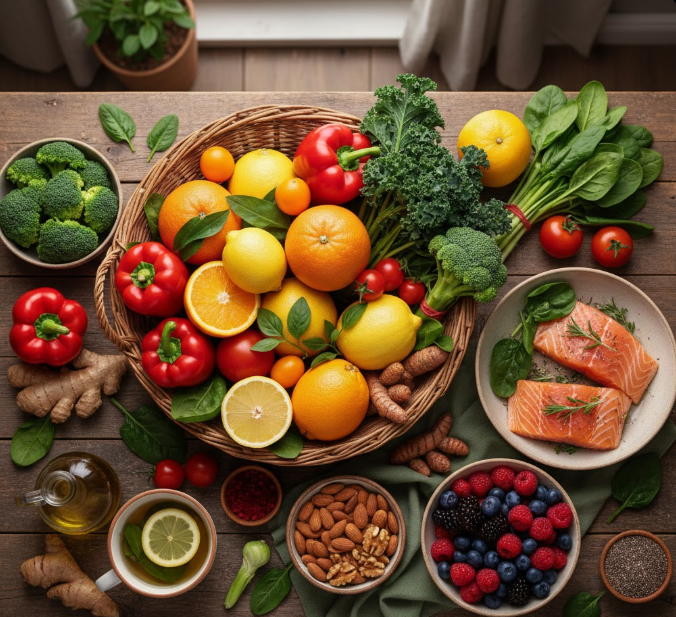
Foods to Limit for Improved Immune Health
As much as we have put emphasis on the foods that should be included in your diet, it is also important to know that there are foods that suppress your immune system.
Sugar will briefly depress the immune system. Research indicates that the power of white blood cells to combat bacteria can be hampered for several hours when one eats 100 grams of sugar (approximately three cans of soda).
Highly processed foods may be inflammatory to your body. Alcohol abuse also results in impaired immunity. You do not necessarily have to get rid of these altogether but it is a good idea to practice moderation.
Making Healthier Swaps
Substitute sweet drinks with water, herbal tea or green tea. Whole fruits should be selected in place of fruit juice to receive fiber and natural sugars. Replace cookies and sweets with nuts, seeds, or fresh vegetables with dip.
Such minor changes accumulate with time, and you have a stronger immune system day-by-day.
Lifestyle Factors in Support of Immunity
Food is important, yet other factors are important to your immune system. Good nutrition is in combination with getting enough sleep, de-stressing, exercising and staying hydrated.
Adults require 7-9 hours of sleep per night to have a working immune system. When you sleep, your body is busy making and distributing immune cells throughout your system.
Chronic stress causes the release of hormones that lower the effect of immunity. Discover healthy coping mechanisms against stress i.e. exercise, meditation, hobbies or spending time with loved ones.
Moderate exercise every day boosts immune performance but strenuous training that is conducted without sufficient rest may temporarily weaken it. Goal: 30 minutes of moderate exercise 5 or 6 days per week.
Quick List: The Best Immune-Boosters
| Food Category | Best Choices | Important Nutrients | Daily Goal |
|---|---|---|---|
| Citrus Fruits | Oranges, grapefruits, lemons | Vitamin C | 1-2 servings |
| Leafy Greens | Spinach, kale, Swiss chard | Vitamins A, C, E | 1-2 cups |
| Fermented Foods | Yogurt, kefir, sauerkraut | Probiotics | 1 serving |
| Nuts and Seeds | Almonds, sunflower seeds | Vitamin E, zinc | Small handful |
| Vegetables | Bell peppers, broccoli, garlic | Vitamins, antioxidants | 3-5 servings |
| Spices | Ginger, turmeric | Anti-inflammatory compounds | Use regularly |
| Beverages | Green tea, water | Antioxidants, hydration | 2-3 cups tea, 8 cups water |
Shopping Tips for Immune Health
The development of an effective immune system begins at the grocery store. Arrange shopping trips with regards to the store perimeter where fresh produce, dairy and proteins are usually found.
Purchase local food in season. It is normally fresher, cheaper and tastier. Frozen vegetables are also good substitutes in case of limited, or high-cost fresh ones.
Have ingredients that boost the immune system in your pantry such as garlic, ginger, turmeric, nuts, and green tea so that you can easily add them to any meal.
Read labels carefully. Select yogurt with live cultures and low added sugar. Look for zinc and other immune-enhancing nutrients in whole grain breads and cereals.
How to Fit It Into a Hectic Schedule
Maybe you are thinking that it all sounds good, however, you are too busy to make elaborate meals every day. The good news is that eating to boost the immune system need not leave one spending hours in the kitchen.
Being able to prepare meals ahead of time on weekends will save time throughout the week. Prepare vegetables by washing and chopping them. Cook a large quantity of whole grains. Prepare greens and frozen fruit smoothie bags.
Keep it simple on hectic days. A can of beans blended with vegetables and spices is a healthy meal within minutes. Scrambled eggs with spinach and whole grain toast require less than 10 minutes.
Use shortcuts without guilt. Pre-washed salad greens, rotisserie chicken, frozen vegetables will assist you in eating well when you are in a hurry.
Building Long-Term Habits
The optimal diet to boost your immune system is one that you can maintain in the long run. Very severe limitations or complex regulations do not last long.
Begin by incorporating one or two immune boosting foods into your daily diet. When those become habits, then add a couple more. Small consistent changes are more effective than radical changes that you give up after a week.
Don’t aim for perfection. Eating well most of the time does not mean that you will ruin your immune system by eating pizza or dessert every now and then. Consistency is more important than being ideal.
Discover healthy foods that you do enjoy. Make experimentations with various modes of preparation, seasonings, combinations until you find something to suit you.
Conclusion: Your Immune System Deserves the Best
Your immune system works hard to ensure that you are healthy and the raw materials it needs to ensure its success come in via the food that you eat. When you pick foods rich in nutrients such as citrus fruits, leafy greens, yogurt, garlic, nuts and colorful vegetables then you provide your body with the necessary weapons to combat diseases.
Keep in mind that there is no such thing as a superfood that will instantly increase your immunity. Rather, focus on consuming a diverse diet high in vitamins, minerals and antioxidants. Add this to enough rest, physical workouts, stress reduction and hydration for the most robust immune system.
The foods we have talked about are not foreign and costly. They are easily accessible in most grocery stores and can be afforded by anyone. Begin using them in your food today and your immune system will reward you with a healthy and energized body.
Your next meal will be the first step to a stronger immunity. Eat well, be wise and see your body’s defenses improve on a daily basis.
For more information on supporting your immune system through nutrition, check out resources from the National Institutes of Health.
Frequently Asked Questions
Q: Can I enhance my immune system overnight with some foods?
A: No, it does not happen immediately but through daily work. In order to have a healthy immune system, your body should take in nutrients that support the immune system on a routine basis. Although there are certain foods such as vitamin C that may begin to take effect in just a matter of hours, a sustained immune system needs weeks or months of good nutrition.
Q: Are supplements superior to nutrients in food?
A: Whole foods are usually superior to supplements since they have many useful substances that act in synergy. Food also contains fiber and other nutrients that are found wanting in supplements. Nevertheless, some individuals cannot do without supplements in case of deficiencies or dietary limitations. Discuss any supplement regime with your doctor.
Q: How much water would be ideal to drink to have the best immune system?
A: The majority of adults are expected to take approximately 8 cups (64 ounces) of water per day, but the needs differ depending on the level of activity, the climate, and other personal characteristics. Adequate hydration is important to release toxins from your body and also enables the immune cells to move smoothly in your blood stream.
Q: Do I have to eat all these foods on a daily basis?
A: You do not need all the immune-boosting foods every day, but you should be able to have a variety throughout the week. Eating various colored fruits and vegetables is a sure way to get various kinds of nutrients. Instead of placing these foods on a daily checklist, aim at turning them into routine food items.
Q: Does an excess of certain immune-boosting foods have any side effects?
A: The majority of whole foods are healthy in regular doses, but when some nutrients are consumed in large amounts, there may be difficulties. An example of this is when excessive zinc inhibits immunity and excessive vitamin A is toxic. Eat in moderation and use a combination of foods as a source of nutrients instead of overloading on one foodstuff.
Q: Does this mean that these foods will make me never get sick?
A: There is no food which can guarantee that you will never get sick, however, a healthy diet that contains a lot of nutrients will ensure your immune system is more effective when it comes to dealing with germs. When you are regularly eating immune-supporting foods, then you may not get sick as often, have milder symptoms, or recover more quickly.
Q: What happens in case I am allergic to some of these foods?
A: The immune-boosting foods are quite numerous, and allergies can be accommodated. For example, in case you are allergic to nuts, you can obtain vitamin E from seeds, avocados, or spinach. Pay attention to what you can safely eat instead of being concerned with what you cannot.
Q: Does organic food give a better immune boost than conventional?
A: Organic and conventional produce have immune-enhancing nutrients. In some instances organic may have some small difference in terms of antioxidant level, but it is not very significant. However, the most essential factor is the consumption of a large number of fruits and vegetables, irrespective of their being organic or not. Wash all fruits and vegetables carefully prior to consumption.