
The immune system is working twenty-four hours to ensure that you are safe against the bad germs, viruses, and bacteria. When it is good, you are healthier and heal quicker after diseases. However, when you are weak, you may get colds more frequently or feel fatigued at all times.
The good news? There is no need to spend much money on supplements or complex therapies to boost your immune system. Some natural, easy ways can go a long way in ensuring good resistance against sickness by the body.
This is a guide that will demonstrate to you how to increase your immunity naturally in a practical manner. Every choice counts with regard to the foods you consume, as well as the quantity of sleep you get. Now, we are going to discuss the ways in which you can develop a stronger and healthier immune system right now.
The Reason Your Immune System Needs Support
Consider your own system of immunity to be the personal army of your body. It contains soldiers (white blood cells) which patrol your body to check who invades. Once they notice the germs they attack and destroy them before you fall ill.
But this army requires the fuel and the conditions to operate well. These soldiers can be brought down by poor sleep, bad food and stress. Once that occurs, it becomes easy to be attacked by the germs with less resistance to your defenses.
Naturally, to support your immune system is to provide your body with what it requires to maintain these defenses. It is not about taking magic pills. It is the habits that we do every day but accumulate.
Eat Foods That Fight for You
Fruits and Vegetables Are Colorful
The colorful fruit and vegetable packs contain the greatest number of immunity boosters. Every color is a symbol of various vitamins and nutrients that your body requires.
Beta-carotene is found in orange and red foods such as carrots, sweet potato and bell peppers. This is then converted into vitamin A by your body that makes your immune cells communicate more efficiently.
Dark green vegetables such as spinach and kale are rich in vitamin C, vitamin E and antioxidants. These nutrients cushion your immune cells and they do not get damaged as they fight infections.
Special mention should be given to berries. The compounds present in blueberries, strawberries and blackberries have the potential to bring down inflammation and enable your body to react better to threats.
Protein Strengthens Your Defense Forces
Without protein, your immune system will be unable to produce new cells. All antibodies and immune cells of your body are a result of the protein you consume.
Good sources of proteins include:
- Chicken and turkey
- Fish like salmon and tuna
- Eggs
- Beans and lentils
- Nuts and seeds
- Greek yogurt
Attempt to take protein with each meal. This constant stream of supply assists your body in repairing and creating immune cells during the day.
Garlic and Ginger: Nature’s Medicine
There is a millennia-long history of using garlic as an anti-infectious agent. It is a compound containing allicin, which makes immune cells more effective. Use fresh garlic in your food as much as possible.
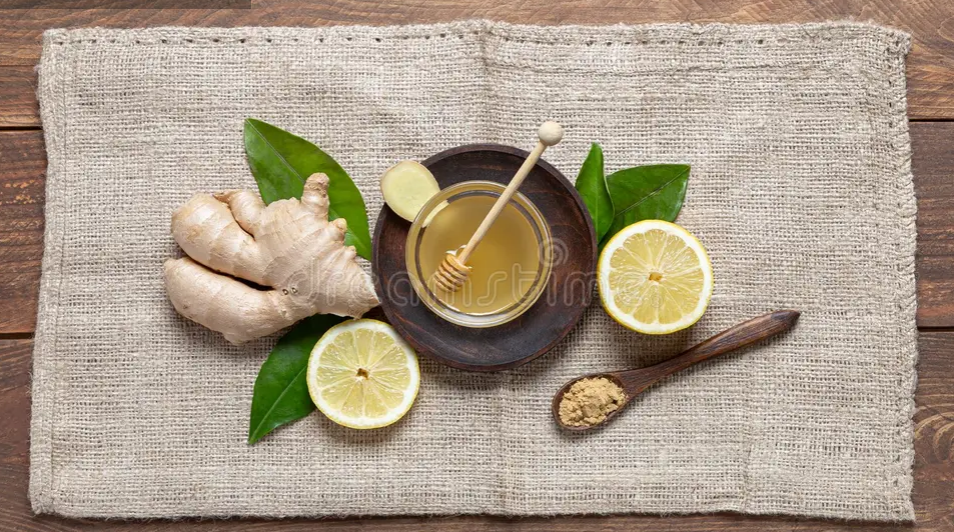
Ginger decreases the swelling and makes your body react to infections faster. Fresh ginger tea will help calm down your throat and help your immune system.
These two ingredients can be easily incorporated in a soup, stir-fry, and tea. They are tasty and they strive to make you healthy.
The Power of Fermented Foods
Approximately 70 percent of your immune system is located in your gut. The health of your gut is directly related to the functionality of your entire immune system.
Fermented products have good bacteria (probiotics) which are beneficial to gut health. These include:
- Yogurt with live cultures
- Kefir
- Sauerkraut
- Kimchi
- Kombucha
- Miso
Consumption of these foods on a regular basis keeps the gut bacteria in good balance. This homeostasis is vital to immune functioning.
Hydration: The Simple Secret
Water does not have a direct impact on combating germs, but it is very important in immune health. Water is necessary in your lymph system which transfers immune cells around your body.
When you are dehydrated, your blood is thick. This complicates the movement of immune cells to where they are required. You can also have an impaired secretion of saliva and mucus which are your initial barriers against germs.
Goal of 8-10 glasses of water each day. More when you are exercising or in a hot climate. Teas made of herbs are included in this amount as well.
Symptoms that indicate that you need more water are dark yellow urine, dry mouth and an experience of being tired. Do not wait till you are thirsty to drink.
Sleep: The Recharge of Your Immune System
As you are sleeping, your immune system is busy. It manufactures proteins known as cytokines which combat infection and inflammation. In the absence of adequate sleep, your body produces less of these protective proteins.
Research indicates that individuals that sleep less than 6 hours daily have higher chances of getting colds. They also have a longer period of recovery whenever they fall ill.
Establishing Improved Sleep Patterns
Aim for 7-9 hours each night. Quality is everything as much as quantity.
Darken, silence, chill your bedroom. Temperatures of approximately 65-68°F (18-20°C) allow your body to sleep better.
Keep a consistent schedule. Going to bed and getting up daily would assist in regulating the internal clock of your body.
Limit screens to, at least, an hour before bedtime. The light of phones and tablets that are blue can deceive your brain into believing that it is daytime.
When you are having trouble in falling asleep, then read, perform light stretching or deep breathing exercises.
Movement: Train Your Immune System
Exercise is beneficial to your immune system. Workout enhances the circulation of blood, and this allows the immune cells to circulate efficiently in your body.
You do not have to go through strenuous exercise. Moderate exercise is the best exercise for immunity. This includes:
- Brisk walking for 30 minutes
- Swimming
- Cycling
- Dancing
- Yoga
- Playing sports
Goal: A minimum of 150 minutes of moderate exercise per week. That only takes half an hour five days a week.
Be careful not to overdo it. Weakening of immunity can be experienced temporarily due to extremely intense exercise without adequate rest. Be aware of your body and rest when necessary.
Stress Management Makes a Difference
Constant stress saturates your body with cortisol, a hormone that lowers immunity. As soon as stress is regular, your immune system is unable to work to full capacity.
Simple Stress-Reducing Techniques
A relaxed state is triggered by deep breathing. Practice: Inhale on 4 counts, hold 4, exhale 4. Repeat 5-10 times.
Meditation does not necessarily need to be a complex matter. Stress hormones can be lowered by even 5 minutes of silent sitting with attention to your breathing.
Stress is reduced in a short period of time in nature. Your nervous system can be relaxed by a stroll in a park or sitting in trees.
Connect with others. Discussing your concerns with friends or relatives will lessen their effects on your body.
Find activities you enjoy. Spend time on hobbies, reading, or music so as to take the stress off your mind.
Sunshine and Vitamin D
Vitamin D contributes significantly in immune function. It assists in stimulating your immune cells enabling them to repel threats.
The best source is sunlight. Vitamin D is made in your skin under the influence of the UV rays. Goal of 10-30 minutes of midday sun every few times a week. It will depend on when the sun is and where you are as to skin color.
You may lack adequate sun in the winter season or when you are living a distance away from the equator. Vitamin D is found in food in the following forms:
- Fatty fish (salmon, mackerel)
- Egg yolks
- Fortified milk and orange juice
- Mushrooms under UV radiation
Discuss with your physician the need of a vitamin D supplement, particularly in winter. For more health and wellness tips, visit Cakvia.
The Hygiene Balance
With good hygiene, infections are avoided, and this leaves your immune system to do fewer battles. But it is no good to be too clean, either.
Always wash your hands with soap and water for at least 20 seconds, and more importantly, before eating and after visiting the bathroom. This is a simple routine which helps to avoid the majority of infections.
Nevertheless, a little bit of contact with germs is not that bad. It conditions the immune system to identify and combat attacks. Playing outdoors, pets, and regular everyday activities offer this healthy exposure.
Do not overdo antibacterial products. Ordinary soap is also sufficient and does not add to the problem of antibiotic resistant bacteria.
Limit Activities that Weaken Immunity
Sugar Overload
When one consumes high amounts of sugar, the immune system is suppressed within several hours of consumption. Sugar leads to inflammation and contributes to the growth of bad bacteria in your gut.
This does not imply that you cannot treat yourself. You should only be conscious of the amount of sugar you are taking on a daily basis. Packaged foods that contain sugar commonly conceal it, so check labels.
The sugar in fruit is natural, accompanied by fiber and other nutrients, thus it is a far better alternative to candy or soda.
Alcohol in Moderation
Mixed with the intestinal microorganisms, alcohol disturbs the balance of microorganisms and impairs the immune cells. Alcoholism is also detrimental to immunity.
In case of drinking, do it in moderation. That is one drink a day in case of women and two for men.
Smoking and Vaping
The respiratory system is being attacked by tobacco smoke which harms its protective lining. This facilitates the spread of infections by germs.
Vaping isn’t safe either. It irritates your lungs and suppresses your immunity along airways.
Giving up smoking is among the most efficient things that you can do for your immune system and health in general.
Herbs and Spices That Help
Turmeric’s Golden Power
The active constituent of turmeric, the curcumin, is an effective anti-inflammatory. It assists in the regulation of immune response and guards cells against damages.
Add turmeric to curries, soups or golden milk (warm milk with turmeric and honey). Combine it with black pepper for 2000% more absorption.
Elderberry’s Viral Defense
Elderberry is centuries old in its use to treat the cold and flu. Research indicates that it can shorten and lessen the duration and severity of such diseases.
The elderberry syrup is available in the health food stores or you can prepare it yourself using the dried berries. Use at the earliest occurrence of cold symptoms.
Green Tea Benefits
The EGCG which is a potent antioxidant that helps in boosting immunity is found in green tea. It can assist your body in fighting infections better.
Take 2-3 cups of it every day to obtain the best benefits. Hot as well as cold green tea is effective.
Building Healthy Habits: Your Daily Goals
| Daily Goal | Amount | Why It Matters |
|---|---|---|
| Water consumption | 8-10 glasses | Helps to transport lymph and immune cells in the body |
| Sleep | 7-9 hours | Produces cytokines that fight infection |
| Fruits & vegetables | 5 or more servings | Contains vitamins, minerals and antioxidants |
| Exercise | 30 minutes | Improves the circulation and the work of immune cells |
| Stress management | 10-15 minutes | Reduces cortisol, which suppresses immunity |
| Probiotic foods | 1 serving | Supports immune function and gut health |
Quick Immune-Boosting Recipe Ideas
Begin your day with an immune boosting smoothie. Combine berries, spinach, yogurt and a slice of fresh ginger. To make it sweet add a spoonful of honey.
Prepare a large pot of chicken soup including garlic, onions, carrots and celery. It is a traditional medicine that literally boosts your immunity and alleviates the cold symptoms.
Prepare a stir-fry of colorful vegetables, lean protein, and fresh garlic. Serve with brown rice as a whole meal.
Make golden milk before bedtime. Soothing, immune-boosting and has a pinch of black pepper: warm milk with turmeric, cinnamon, honey.
When to Seek Medical Help
Natural immune support is most effective in the prevention and in the case of mild illnesses. Yet there are those moments when professional medical treatment is required.
See a doctor if you:
- Have a fever of more than 103°F (39.4°C) or longer than three days
- Have very serious symptoms which get worse fast
- Have a weakened immune system as a result of medical conditions
- Use drugs that lower the immunity
- Report unusual symptoms or infections that fail to heal
Depending on your needs, your doctor may prescribe certain supplements or therapeutic treatments. For more information on immune health, visit the CDC’s guide on immunity.
Developing Your Personal Immunity Plan
Start small. To start with, pick two or three habits in this article. When those are regular, add some more.
Track your progress. Be aware of how you feel when making changes. Do you catch fewer colds? Have more energy? Sleep better?
Be patient. It takes time to strengthen the immune system. You will not get the results immediately, yet the reward of persistent effort is good.
Make it enjoyable. Select things and food that you enjoy. The habits that are good for health are easier to keep since they are not penalties.
Your Immune System Requires Daily Decisions
Your immune health depends on every choice which you make. What you eat, how you deal with stress, do you sleep well enough—all these add up.
What you can do is in control of your immunity. There is no need for costly supplements or advanced procedures. Simple, natural techniques are amazing when you get used to them.
You already have a strong immunity. It only requires the necessary support to operate optimally. Feed it well, have ample rest, move it, and stress it down. It will in exchange better preserve you against illness.
Begin with one simple change. Perhaps it is including more vegetables in the evening meal or going to sleep half an hour earlier. Then build from there. Your body will be very grateful because it will improve your health, your energy level, and the number of sick days.
Your power to strengthen the immunity is in your own hands. Make daily decisions that are in favor of your body’s defenses. With time, these decisions turn out to be habits. And these are habits which form the pillars of health.
Frequently Asked Questions
How much time will it take before my immune system becomes strong with natural assistance?
In a few weeks, you may find that there have been some minor changes such as increased energy or reduced minor illnesses. However, the construction of a really strong immune system requires 2-3 months of consistent healthy habits. It takes your body time before it can generate new immune cells and mend the old ones.
Will I be injuring my immune system by taking too many vitamins?
Yes, it is true that mega-doses of certain vitamins can damage immunity. Excessive zinc like that in supplements may cause copper absorption to be impaired leading to compromised immune system. Use food first, stick to recommended amounts. Take supplements only when advised by the doctor.
Are cold showers effective for immunity?
Exposure to cold may increase production of white blood cells although the effect is temporary. Good sleep, nutrition and exercise will not be substituted by regular cold showers. In case you like them, then they are okay to include. Use them, however, not as your primary defense mechanism.
Can I have an overdose of immunity?
There is not a way of making your immune system stronger than it should be. Nevertheless, the overactive immune system leads to such issues as allergies and autoimmune diseases. Balance is not about supercharging. This balance is obtained safely with the help of natural methods.
Why do I continue to fall ill even when I am eating good and exercising?
Despite the best habits, you will still develop illnesses. That’s normal. But you ought to find that you fall ill less frequently, have a shorter time to heal, and have milder symptoms. A robust immune system is effective in lessening disease, and it is not able to stop all infections.
Are immune-boosting tips the same in the case of kids?
Majority of the tips are universal; however, children require age-appropriate portions and activities. They are expected to make sleep (9-12 hours on average across all ages) their priority, play actively and consume balanced foods. It is better not to use supplements on kids without consulting a pediatrician first.
Does this mean that probiotics will help my immunity even though I do not experience digestive issues?
Yes. Most of your immune system is located in your gut whether you are experiencing stomach problems or not. The benefits of probiotics in the food are almost universal and help the good bacteria to communicate with the immune cells.
Can stress alone make me sick even if I do everything else right?
Absolutely. Stress is a strong suppressive factor of immunity and it in some cases negates other healthy behaviors. Dealing with stress is more than a choice, it is a necessity when it comes to maintaining the immune system. Make the reduction of stress equivalent to nutrition and sleep.